

Online, 1-on-1 with a DPT
Stress and Burnout Coaching for Men Running on Empty
Same discipline you bring to work, now aimed at your health, without the burnout. Work 1-on-1 with Dr. Luke Alley and the PWP team to get your energy, and your evenings, back.
- Doctor of Physical Therapy
- 16-week 1-on-1 program
- Free 30-minute Clarity Call
- 5.0 on Google
What Clients Say
“Managing a hip labrum tear, chronic EDS, and burnout from work was too much. This plan reduced my pain, improved my energy and strength.”
Done by 5 PM?
You're the guy who gets it done. You've carried hard seasons before: the exams, the launch, the job nobody else wanted. Health used to be one of your things too.
Lately you're locked in from 9 to 5, and then there's nothing left. The workout doesn't happen, dinner is takeout, and the evening goes to scrolling, gaming or whatever helps you switch off. You say no to plans you'd normally say yes to. Then it starts again.
You've probably tried to fix it already: a new app, a new program, a fresh start on Monday. It holds for a week or two, then work piles up and it falls apart. That isn't laziness. You go all in until you run out of gas, and nobody built a plan that survives the busy weeks.
Stress or Burnout? How to Tell the Difference
Stress usually feels like too much: too many demands, a racing mind, everything urgent. You are still pushing. Burnout feels like not enough: not enough energy, motivation or care left to push with. If you are still in the too-much stage, stress management coaching is the better starting point.
The World Health Organization describes burnout as the result of chronic work stress that has not been managed, marked by exhaustion, mental distance from your job, and feeling less effective at it. If you are still in the "too much" stage, stress management coaching is the better starting point. If these sound more like you, start here:
- A weekend off barely makes a difference anymore
- You feel detached or cynical about work you used to care about
- Small tasks take far more effort than they should
- Coffee is doing the job sleep should be doing
- Things you used to enjoy feel like chores
- You keep restarting the same plan
How Burnout Recovery Coaching Works Here
Burnout coaching at PWP is Personalized Health Coaching, pointed at the things that drain you. It's one program, not a separate service: the same coach in your corner, the same check-ins and monthly sessions, the same Everfit app. What changes is where you start.
Most men who come in burnt out don't need more information. They need traction. So Week 1 is small on purpose: one exercise routine you can hold this week, one simple change to food or sleep, and one social action, like saying yes to the plan you'd usually skip. Once that holds, the next habit goes on top.
You won't be asked to wake at 5am, cut out every treat or train every day. The plan starts where your energy is today, and enough beats perfect. A short workout still counts as progress. Want a self-guided start? Read how to recover from burnout, step by step.
- A habit audit of your sleep, stress, food, movement and evenings
- A small Week 1, then four 4-week blocks that build on it
- Exercise that fits your energy, planned by a Doctor of Physical Therapy
- Someone to message on the days you're running on empty, and a quick call when it needs more than a text
- A weekly check-in, monthly 1-on-1 video sessions and Everfit for daily tracking
What Burnout Coaching Can and Cannot Do
Coaching for stress and burnout is built for energy, routines and recovery. It helps you notice what drains you, rebuild what restores you, and keep going when motivation dips. That includes the habits around how you unwind: if a vape, a smoke or a few drinks has become the only way to switch off after work, we work on what fills that gap.
It is not therapy and it is not medical care. PWP does not diagnose or treat anxiety, depression or any other condition. If low mood, anxiety or exhaustion has lasted two weeks or more, or feels severe, talk to your doctor or a licensed therapist first. Coaching can work alongside that care.
If you are in crisis or thinking about harming yourself, call or text 988 (Suicide & Crisis Lifeline, US).
What Changes Over 16 Weeks
No coach can promise how you'll feel by a certain date, and we won't. What we see again and again: by week 16 most men are training about 3 days a week and keeping it through travel and work crunches, with more energy after 5 PM and fewer plans skipped. They're also less hard on themselves. One missed workout stops meaning starting over.
One client used to clean up his eating, find a rhythm with exercise, then watch it all fall apart when work got stressful. The plan was built around what he already knew about himself, starting with one commitment per day. During a hard career change, for the first time, fitness was the thing he leaned on instead of the thing he dropped.
From zero gym days to six of seven
“Feeling more present around my classmates and friends was a big win, especially compared to where I was when I last saw many of them, a week before starting PWP.”
 PWP member. Graduate student
A graduate student in a demanding health-sciences program, he felt "a little lost and uneasy" when the school year ended. Studying had taken over his days, exercise was "when I feel like it," and his relationships felt "slightly on the fringes." He went from zero gym days to six of seven and found a routine he likes.
How PWP Compares to Other Kinds of Help
Plenty of burnout coaches, life coaches and apps can help you feel calmer for a week. Very few can also build a safe exercise plan, read how your body responds to it, and coach the habits around it. At PWP you work with Dr. Luke Alley and Dr. Tony Chan, Doctors of Physical Therapy, and Luke is also a certified health coach. Real people, the whole way, and by the end you know how to keep it going without needing someone to tell you what to do.
1-on-1 with the same real person
- PWP
- ✓ Yes
- Trainer / app
- Sometimes
- Diet program
- Sometimes
- Life coach
- ✓ Yes
Certified Doctors of Physical Therapy
- PWP
- ✓ Yes
- Trainer / app
- No
- Diet program
- No
- Life coach
- Rarely
Training, food, sleep and evenings in one plan
- PWP
- ✓ Yes
- Trainer / app
- Mostly workouts
- Diet program
- Mostly food
- Life coach
- Mostly mindset
Plan built around your week, adjusted every week
- PWP
- ✓ Yes
- Trainer / app
- Sometimes
- Diet program
- Sometimes
- Life coach
- Sometimes
You learn to run it yourself
- PWP
- ✓ Yes
- Trainer / app
- Usually ongoing
- Diet program
- Usually ongoing
- Life coach
- Varies
Certified health coach
- PWP
- ✓ Yes
- Trainer / app
- Rarely
- Diet program
- Sometimes
- Life coach
- Sometimes
Training that works around aches and old injuries
- PWP
- ✓ Yes
- Trainer / app
- Sometimes
- Diet program
- No
- Life coach
- No
How It Works, Step by Step

Step 1
Talk It Through
On a free 30-minute Clarity Call you describe where your energy goes and what hasn't stuck before.

Step 2
Start With Week 1
One exercise routine, one change to food or sleep and one social action, small enough to hold on a busy week.

Step 3
Rebuild in 4-Week Blocks
Movement, sleep, food and evening habits are added one block at a time, with your coach a message away the whole way through.

Step 4
Keep the Momentum
By week 16 the routines are yours, with a plan for the weeks that go sideways.
The Same Program, Another Way In

Stress Management Coaching
You handle pressure for a living. Wired at 11pm and tired by 3pm isn't a pace you can hold. Build the daily resets that let you switch off, 1-on-1 with Dr. Luke Alley and the PWP team.

Sleep Coaching
Up scrolling until 1, up tired at 7? Steadier sleep through better routines, not more willpower. 1-on-1 sleep coaching for adults with Dr. Luke Alley and the PWP team.
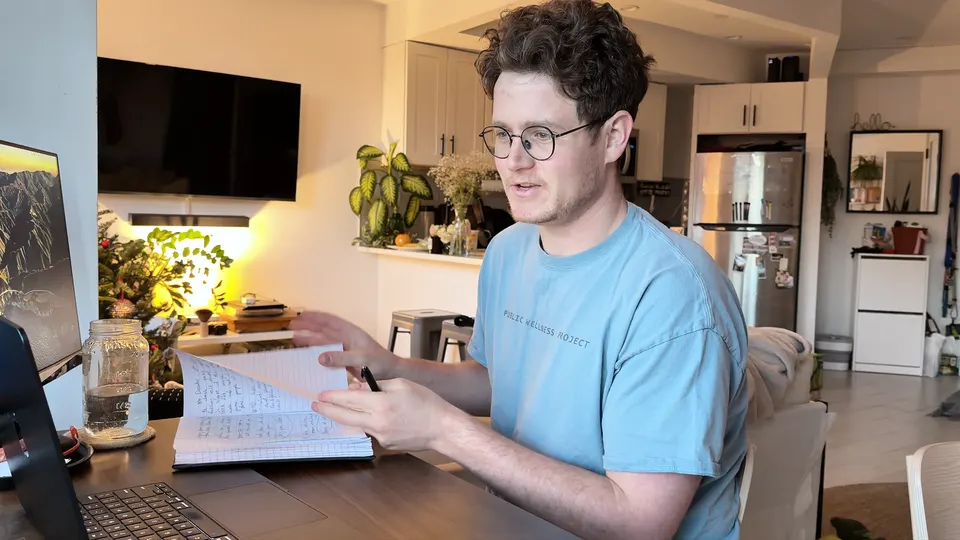
Personalized Health Coaching
For hardworking men who've fallen off. Expertise is easy to find. Following through is the hard part, and it's what we coach: a plan built around your goals and your week, a coach you can reach every day, and by week 16, the know-how to keep it going on your own.
Common Questions
Something else on your mind? Email us.
Is burnout coaching the same as therapy?
No. Coaching focuses on routines, energy and habits. It does not diagnose or treat mental health conditions. Many people work with a coach and a therapist at the same time.
How is this different from stress management coaching?
Both use Personalized Health Coaching, the same 16-week program. Stress management coaching starts while you are still pushing through day-to-day stress. Burnout coaching starts when you are already running on empty, so the first steps focus on rest and energy before anything more demanding.
I barely have energy now. Will this be too much?
The first step is deliberately small, usually one habit. The plan only grows once that one is holding, so it fits the energy you have, not the energy you wish you had.
My evenings go to scrolling, gaming or smoking to unwind. Can coaching help with that?
Yes, that's a common starting point. We look at what those habits are doing for you, usually switching off after a long day, and build something that does the same job: a short workout, a walk, cooking, time with friends. Coaching doesn't treat addiction, and if quitting feels out of reach on your own, we'll point you to your doctor or a quitline as well.
What does a burnout recovery coach do?
Helps you rebuild the routines burnout wore down: sleep, movement, food and how you switch off after work, one small step at a time. At PWP, your coaches are Doctors of Physical Therapy. A coach doesn't diagnose or treat, so if exhaustion or low mood is severe, start with your doctor.
Can coaching help prevent burnout?
It helps with the parts you control: sleep, movement, recovery time and the boundaries around your evenings. Workload and workplace culture matter too, and coaching can't change those for you. It can help you protect your energy while you deal with them.
What are the stages of burnout?
Models list anywhere from 5 to 12 stages, but most follow the same path. It starts with high drive and taking on too much. Then stress shows up as tiredness, irritability and poor sleep. Next it stops letting up between busy weeks. The last stage is burnout itself: worn out, detached from work and getting less done. Coaching rebuilds sleep, movement and recovery time at any stage. If exhaustion is severe or has lasted two weeks or more, see your doctor first.
How much does it cost?
We go through pricing with you on the free Clarity Call, once we know what your plan needs. The call has no cost or obligation.
What if I need more help than coaching?
We will tell you. If symptoms are severe or have lasted two weeks or more, we will point you to your doctor or a licensed therapist first. In a crisis, call or text 988.
You're One Free Call Away From Moving Forward
Tell us where you are and what keeps getting in the way. You leave with a clear first step.